Better treatment
Generate evidence for more protocolised and personalised phlebotomy treatment for chronic mountain sickness.
Mechanism → clinical evidence → guidelinesA Wellcome-funded Peru–UK collaboration
A Peru–UK collaboration investigating how red blood cells deliver oxygen at high altitude.
The physiological paradox
In the Andes, some people develop chronic mountain sickness (CMS). They have more red blood cells and more oxygen in their blood, yet their tissues can still be inadequately oxygenated.
How oxygen unloading may explain the paradoxComparison of oxygen unloading during capillary transit. In the normal case, fewer red blood cells release oxygen progressively and rapidly along the capillary. In the chronic mountain sickness hypothesis, there are more red blood cells, but they release fewer oxygen molecules during the same transit, so less oxygen may reach tissue in time.
Where the research happens
Cerro de Pasco sits at approximately 4,300 metres above sea level. For the people who live here, high-altitude hypoxia is part of everyday life.
Our work builds on a long-standing relationship with the community and a research tradition in high-altitude physiology spanning more than four decades.
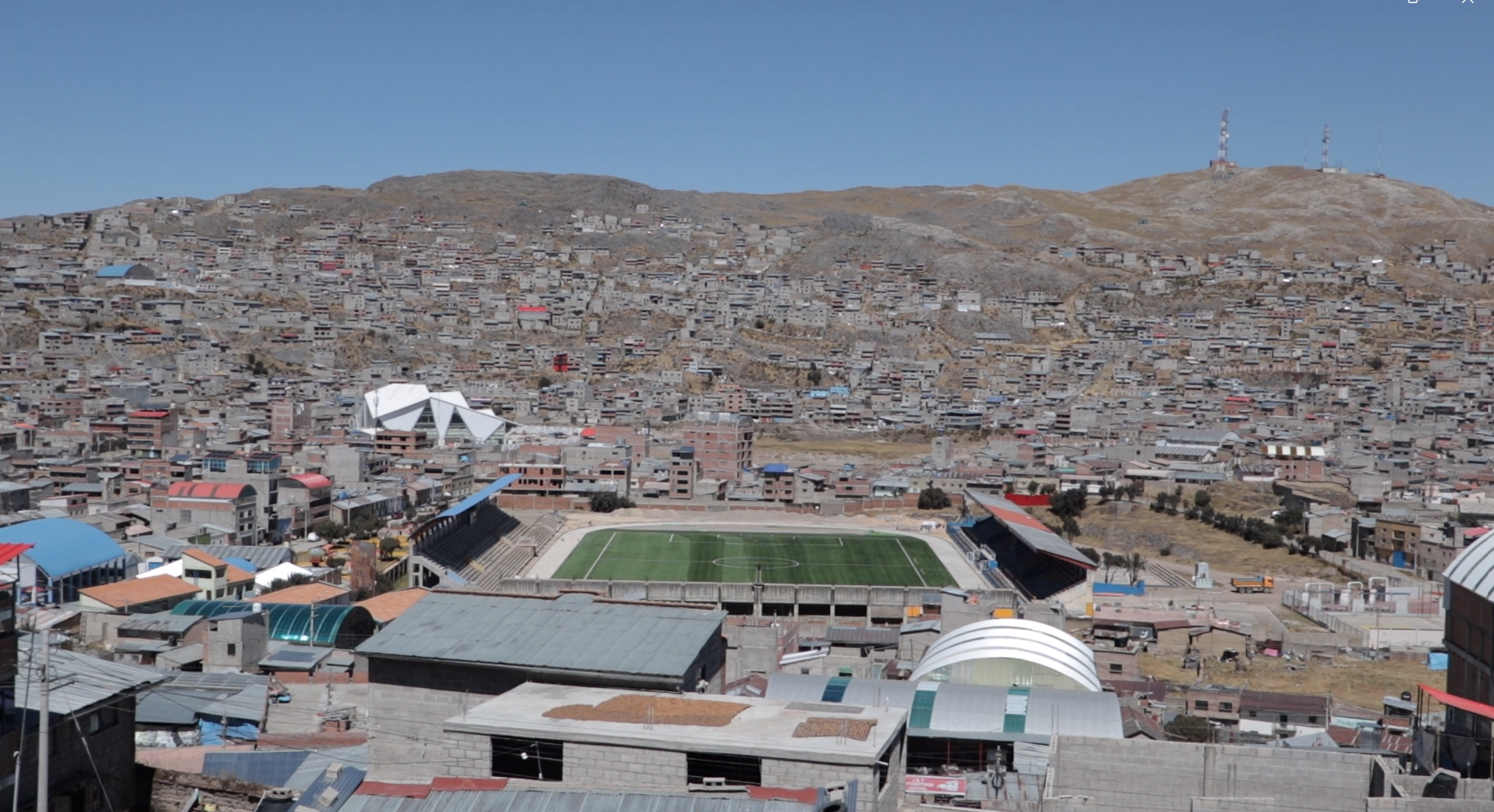
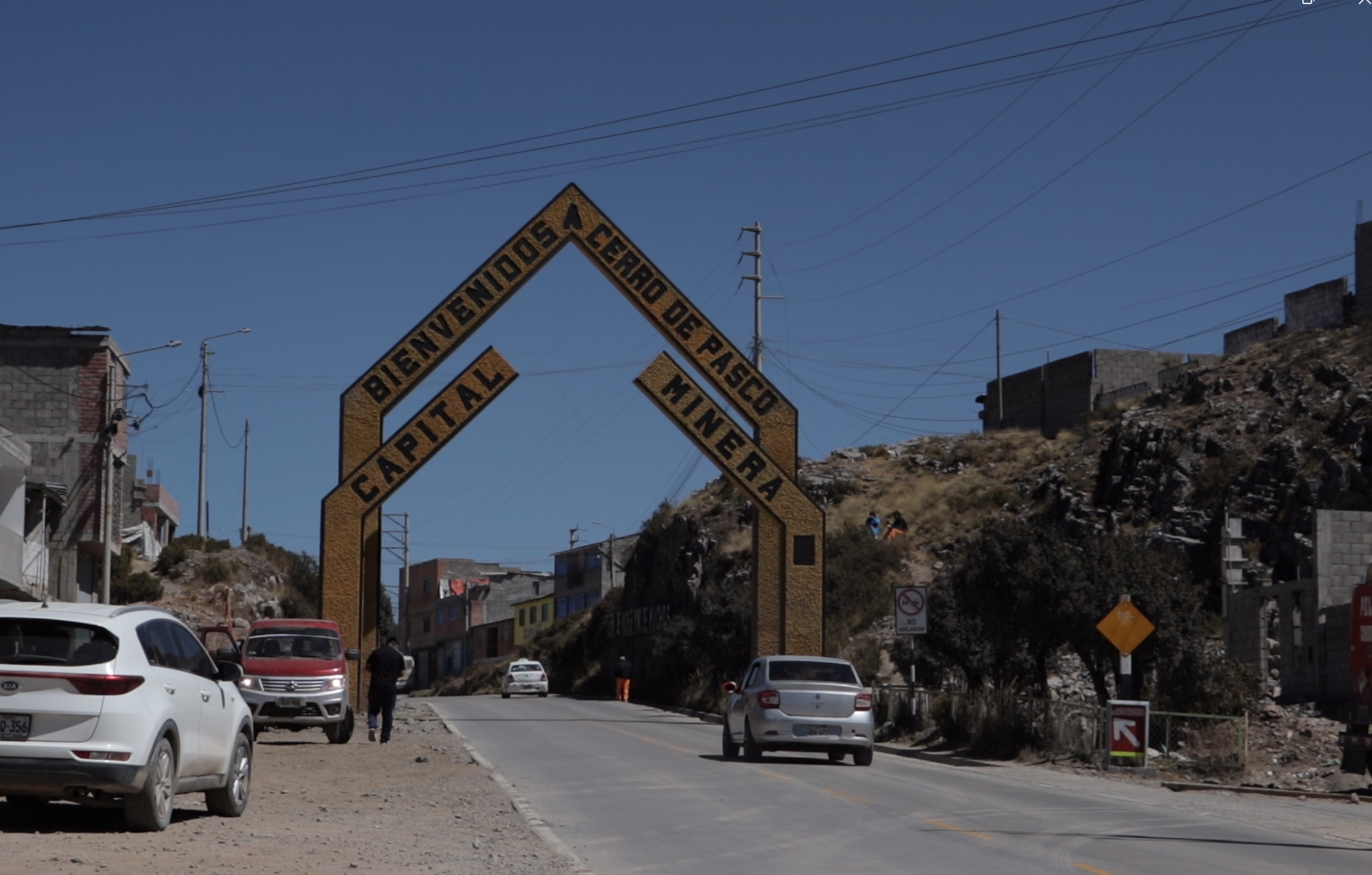
A place with a long history
The project is rooted in Peruvian high-altitude research, building on the legacy of work that has shaped understanding of chronic mountain sickness in the Andes.
The science
We are asking whether the problem also lies in how quickly red blood cells can unload oxygen as they pass through the body's smallest blood vessels.
Red blood cells transport oxygen bound to haemoglobin.
Oxygen must leave the red cell quickly enough during capillary transit.
If unloading is too slow, tissue oxygenation may be limited despite abundant blood-borne oxygen.
A tool for the field
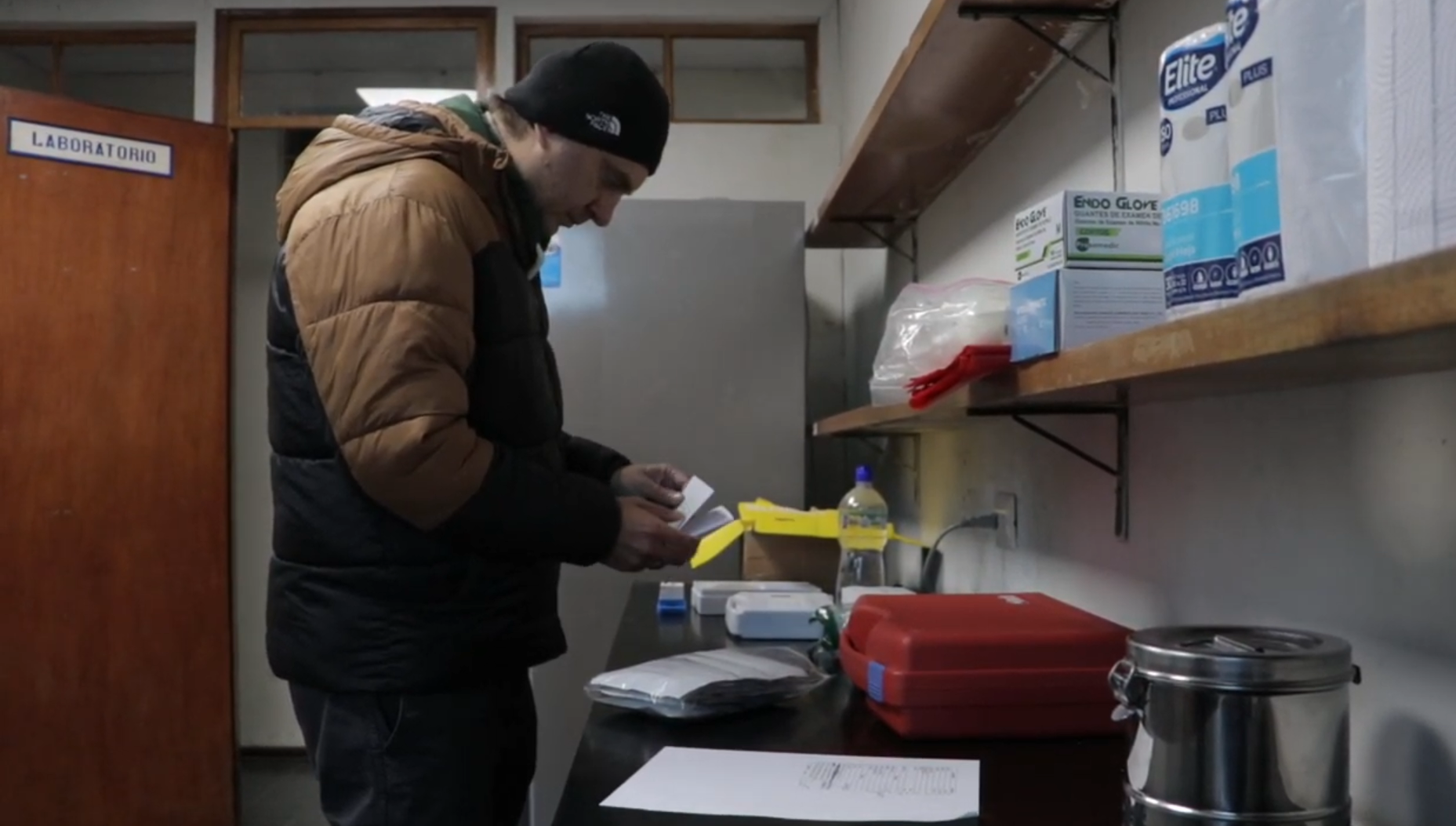
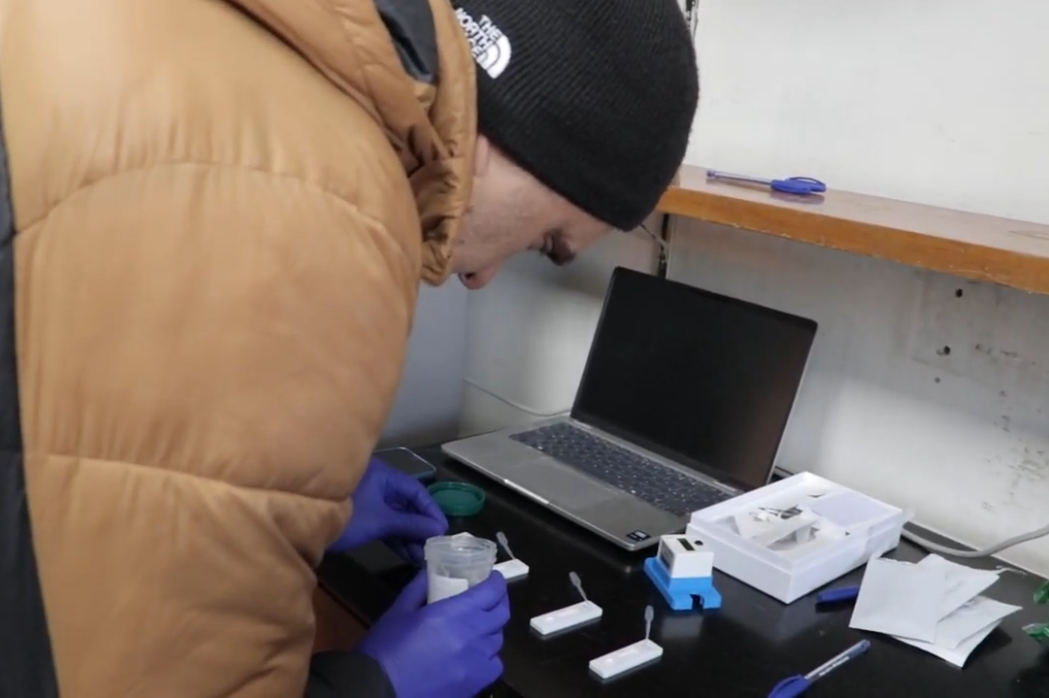
When red blood cells rupture inside the circulation, carbonic anhydrase I (CA1) can be released and detected in urine. Our project is testing URICA, a rapid urine-based test for CA1, to investigate whether intravascular haemolysis could be a useful biomarker of chronic mountain sickness.
The aim is to explore a practical way to monitor this aspect of red blood cell health in people living at high altitude, including during treatment follow-up.
Learn more about URICACollaboration
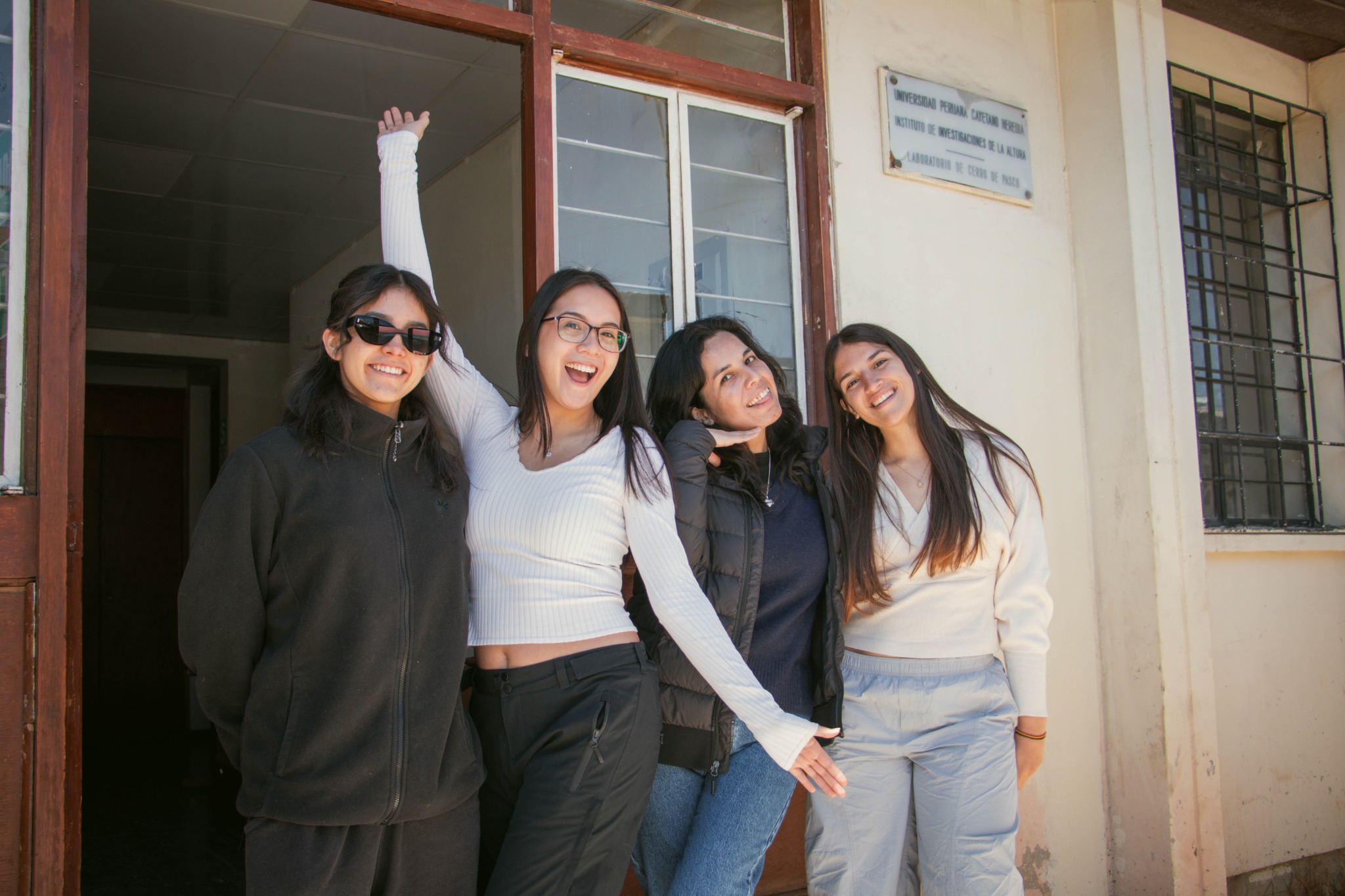
This project brings together researchers from the Universidad Peruana Cayetano Heredia (UPCH) in Lima and the University of Oxford to investigate how people living permanently at high altitude adapt to low oxygen, and to build long-term research capacity in Peru.
Meet the team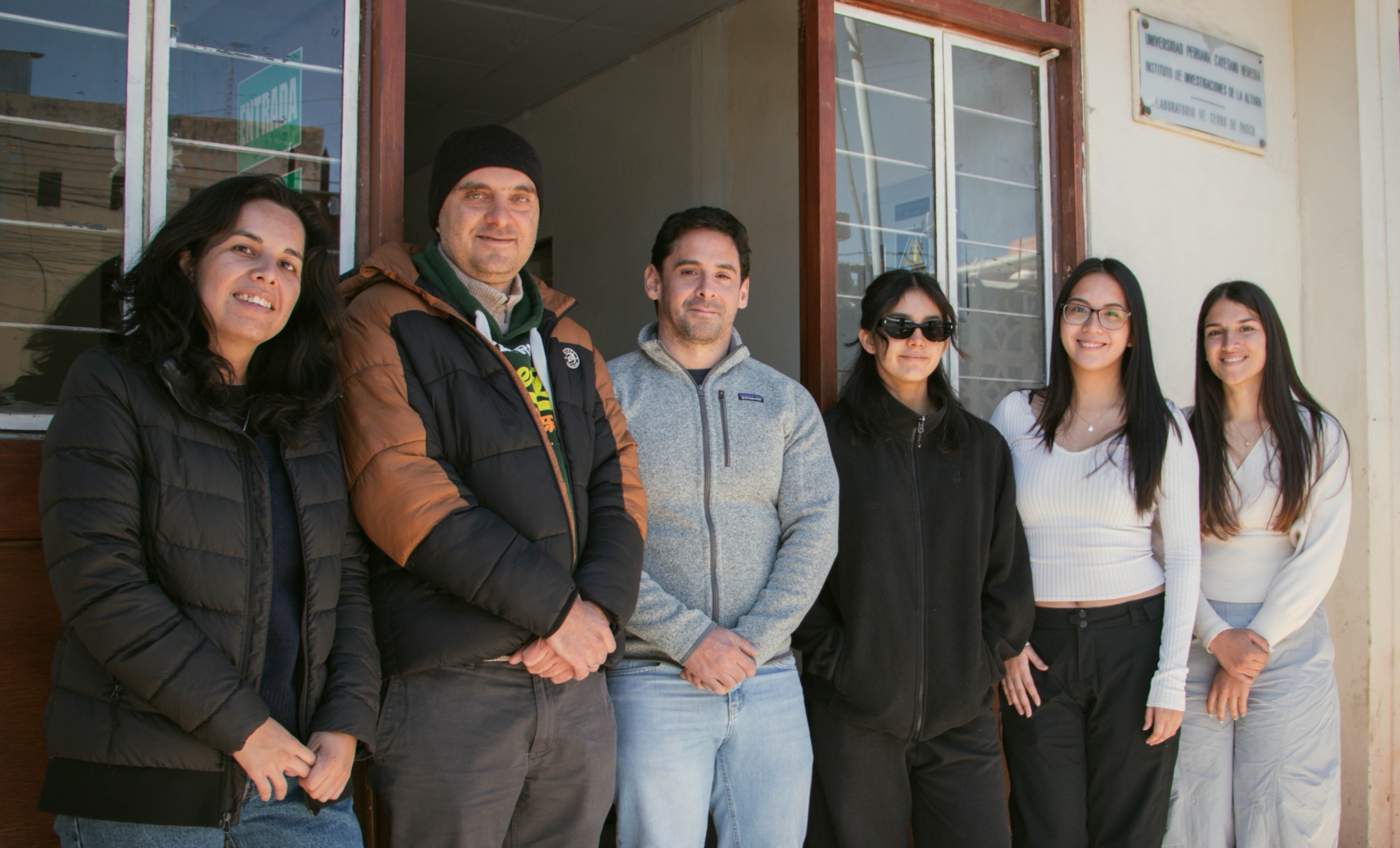
Shared expertise
We combine expertise in high-altitude physiology, red blood cell biology, clinical research and population science with deep local knowledge and a long-standing research programme in Peru.
Building capacity
A key part of the project is building research capacity in Peru through training, skills transfer, equipment and collaboration with early-career researchers.
From discovery to impact
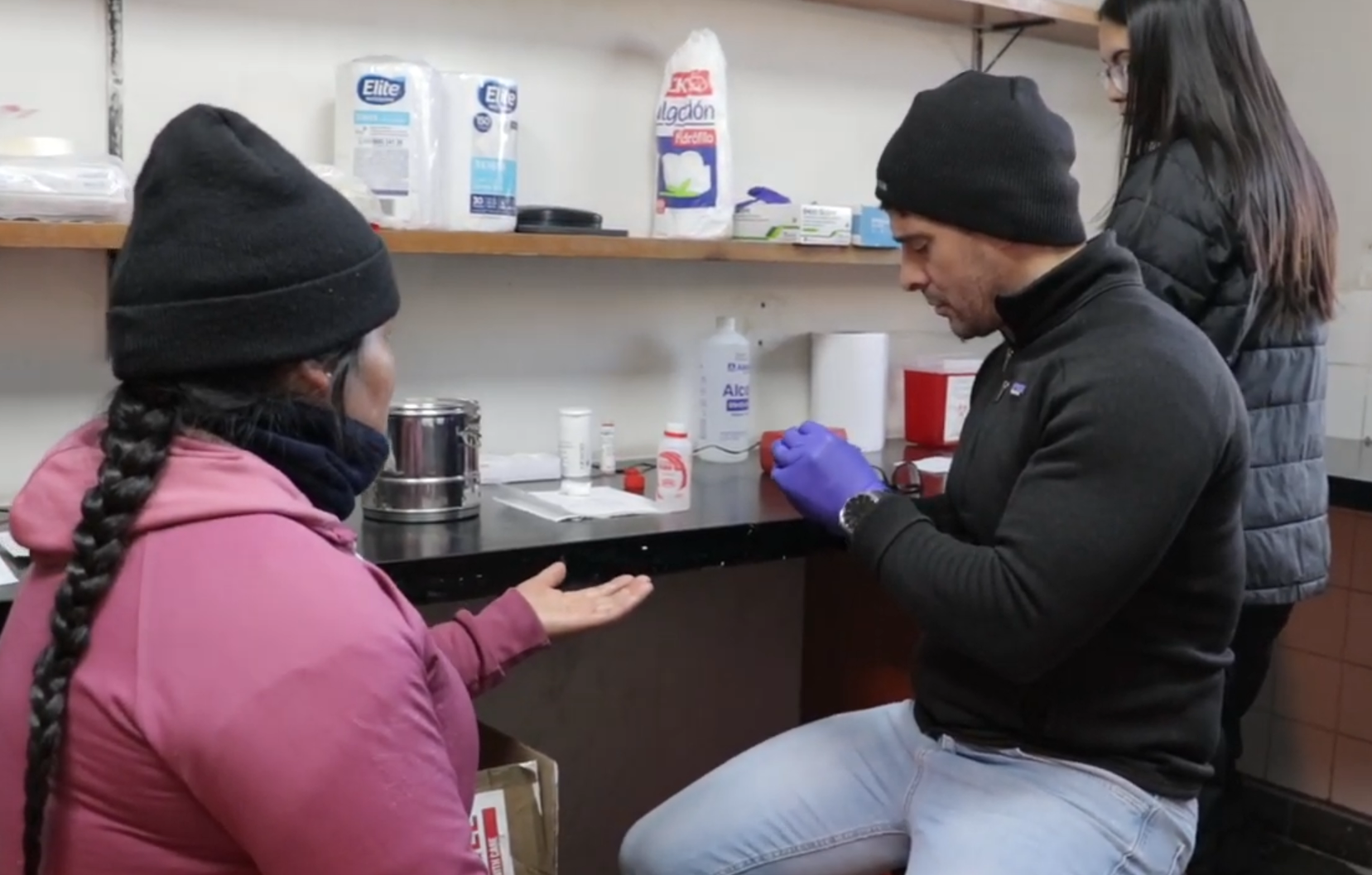
Therapeutic phlebotomy — removing blood to reduce excessive red cell levels — is already the most commonly used treatment for chronic mountain sickness in the Andes. Yet it is still practised without robust, evidence-based guidelines. Our project asks how this established procedure can be better understood, refined and connected to wider health-system benefits.
Generate evidence for more protocolised and personalised phlebotomy treatment for chronic mountain sickness.
Mechanism → clinical evidence → guidelinesTest whether blood removed during CMS treatment could meet blood-banking quality requirements, including whether rejuvenation is needed.
Patient care → blood bank → wider health systemTraining, technology and doctoral development are designed to strengthen research capability in Peru and support future global-health work.
Collaboration → capacity → future researchThe human side
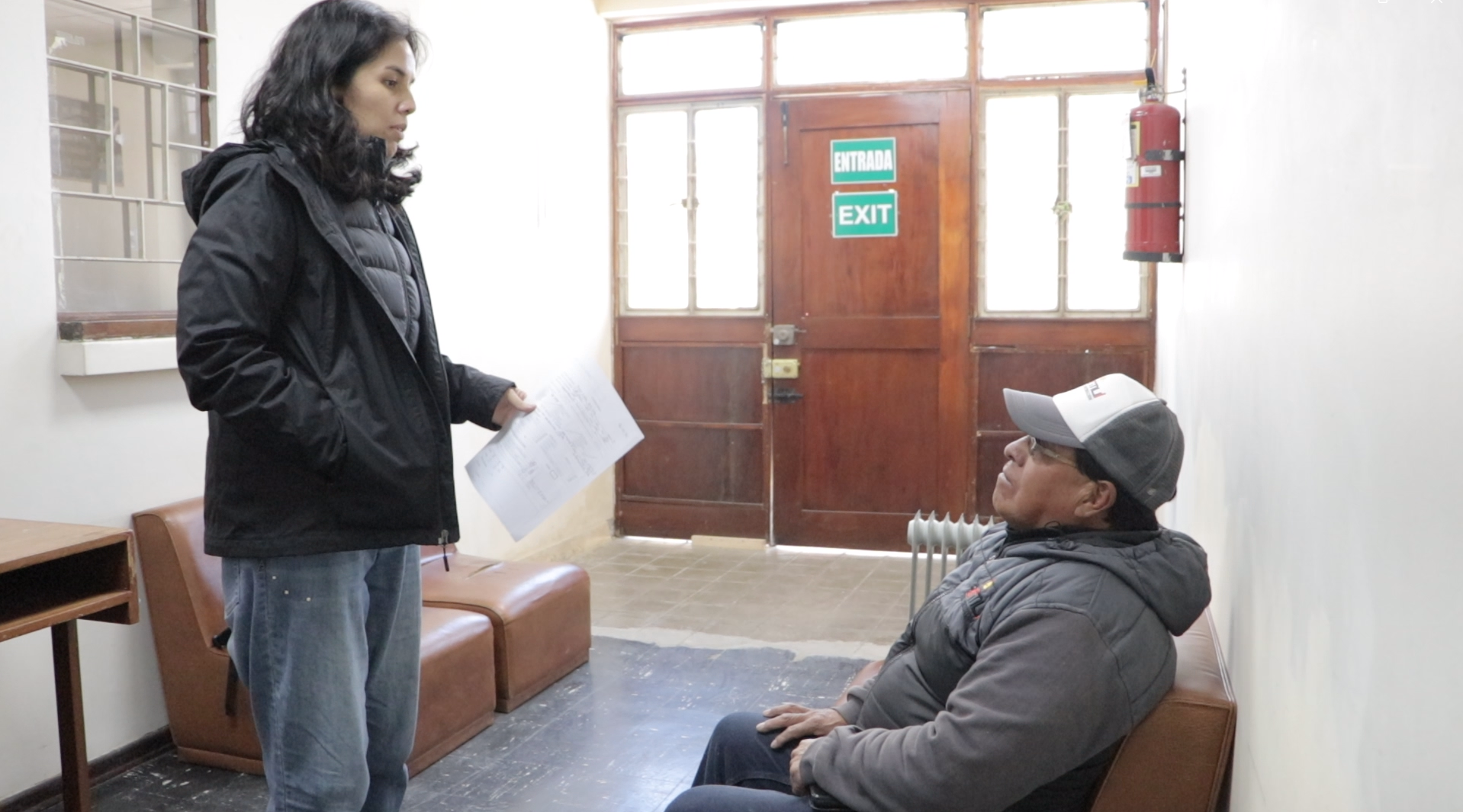
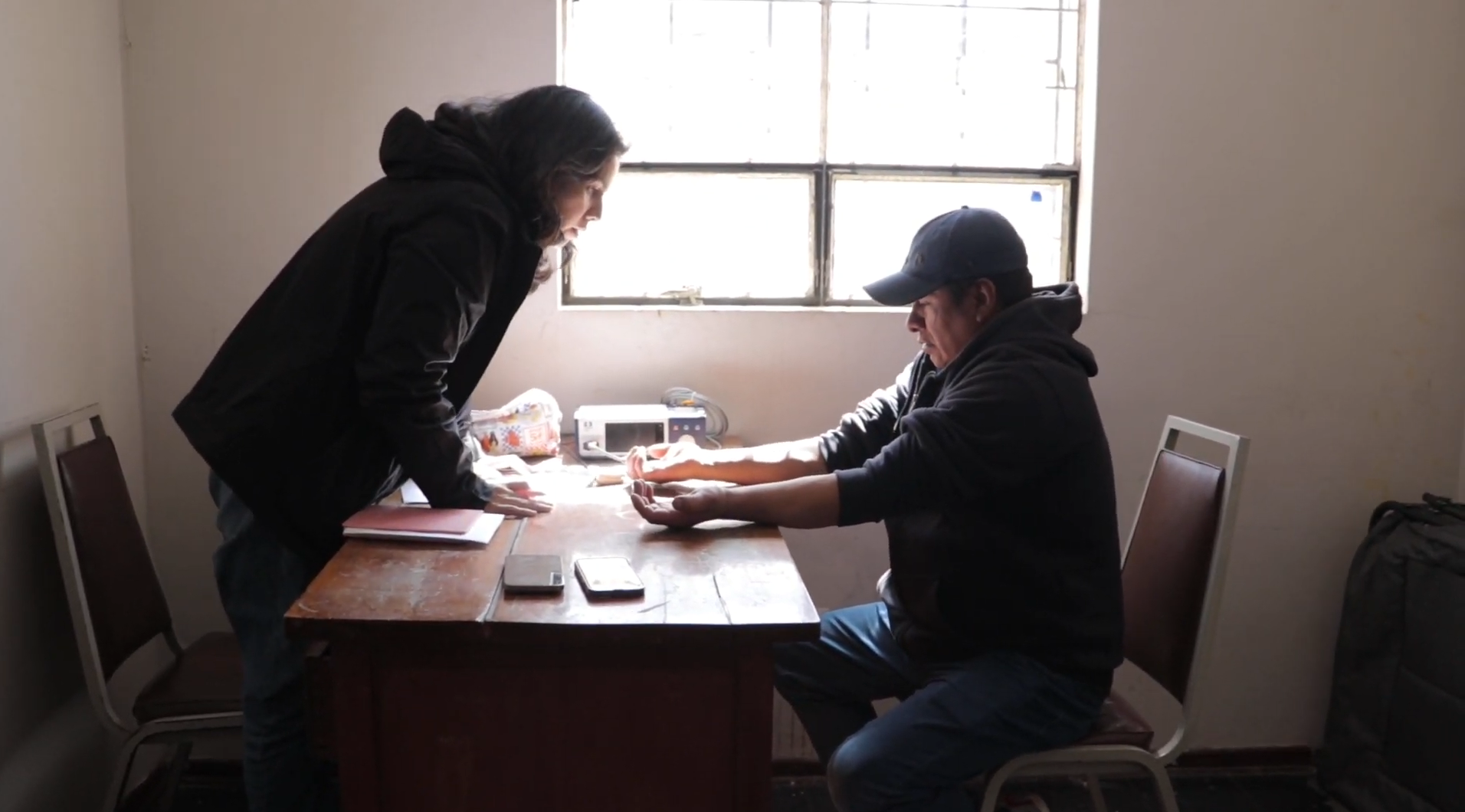
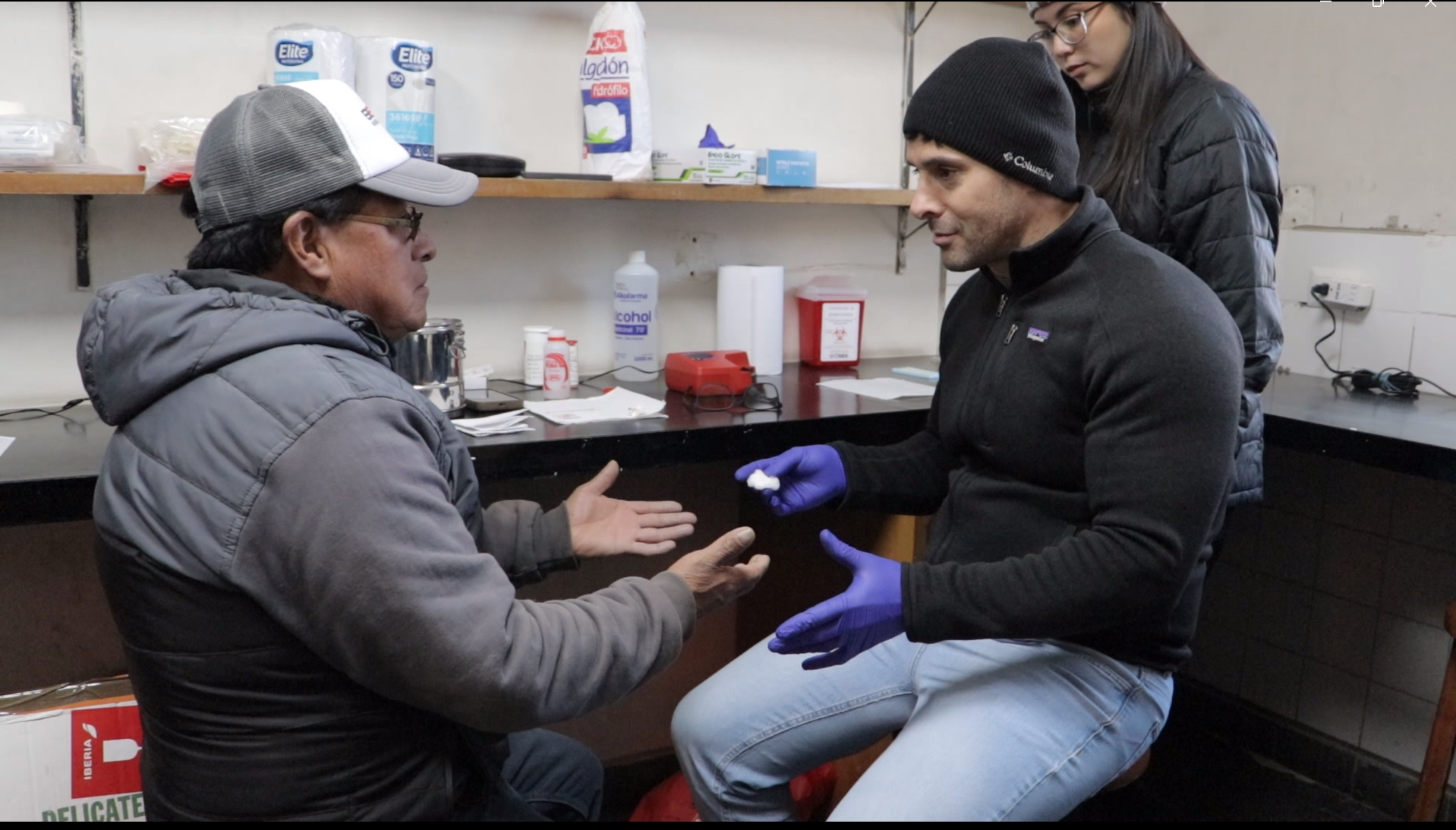
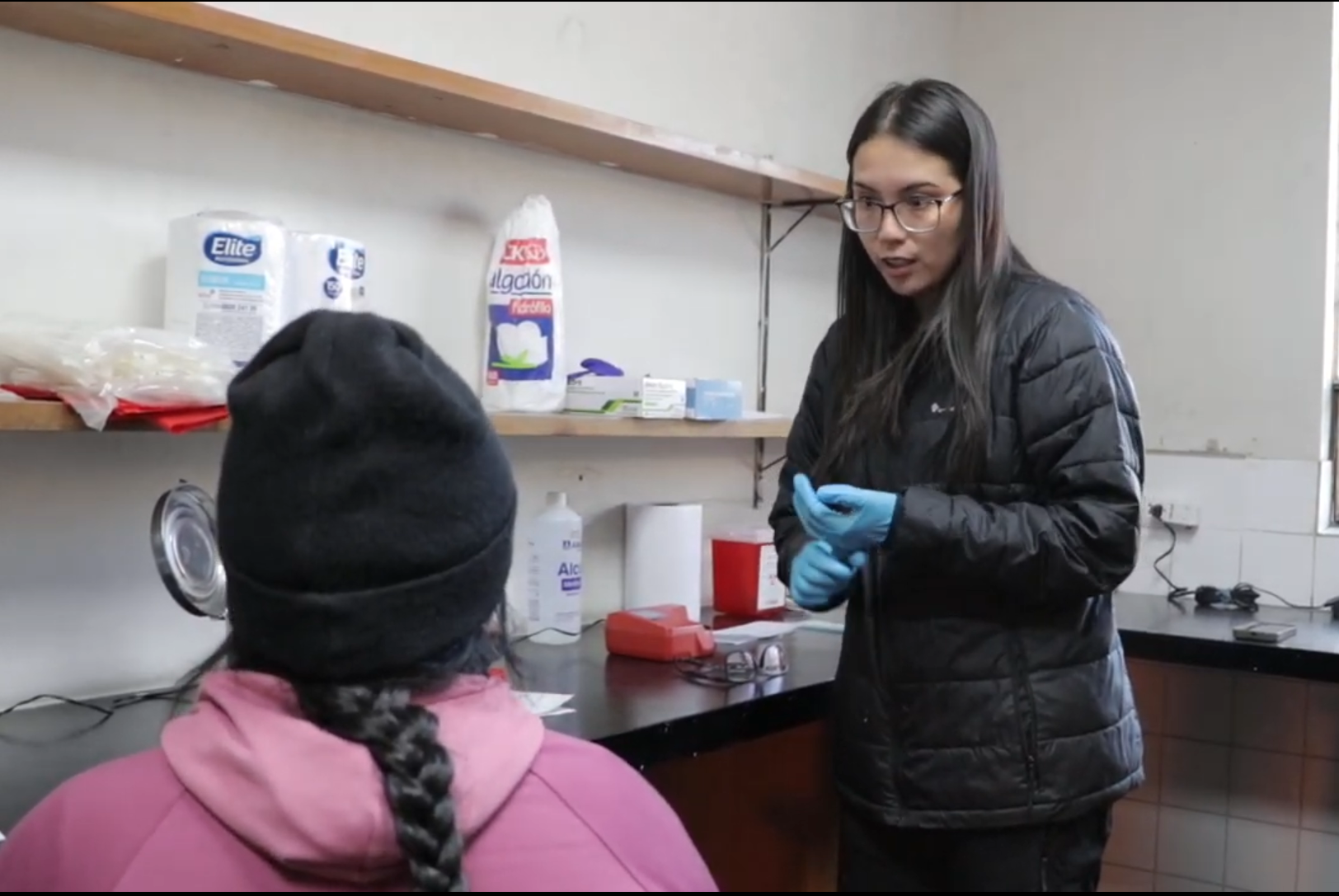
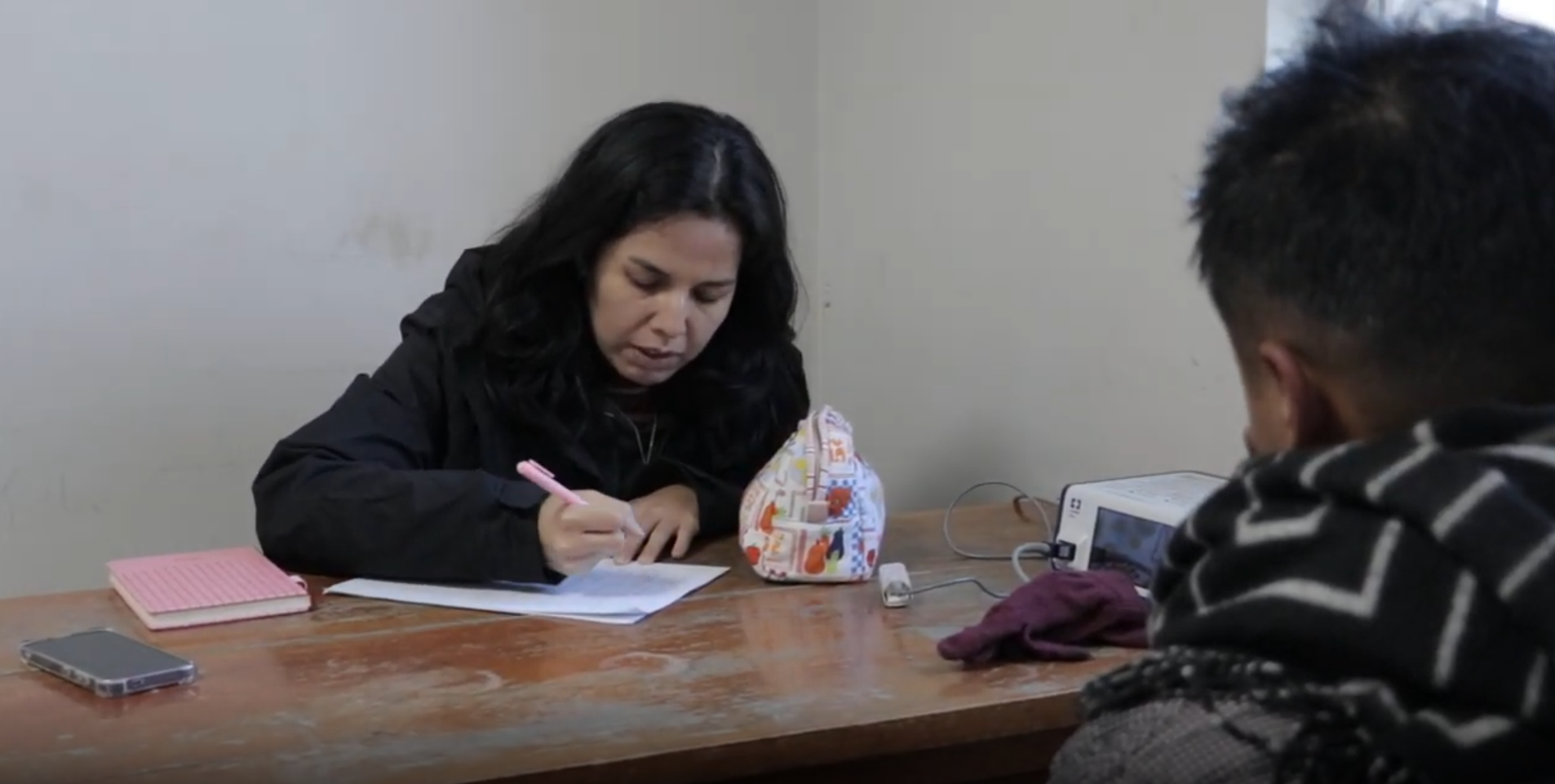
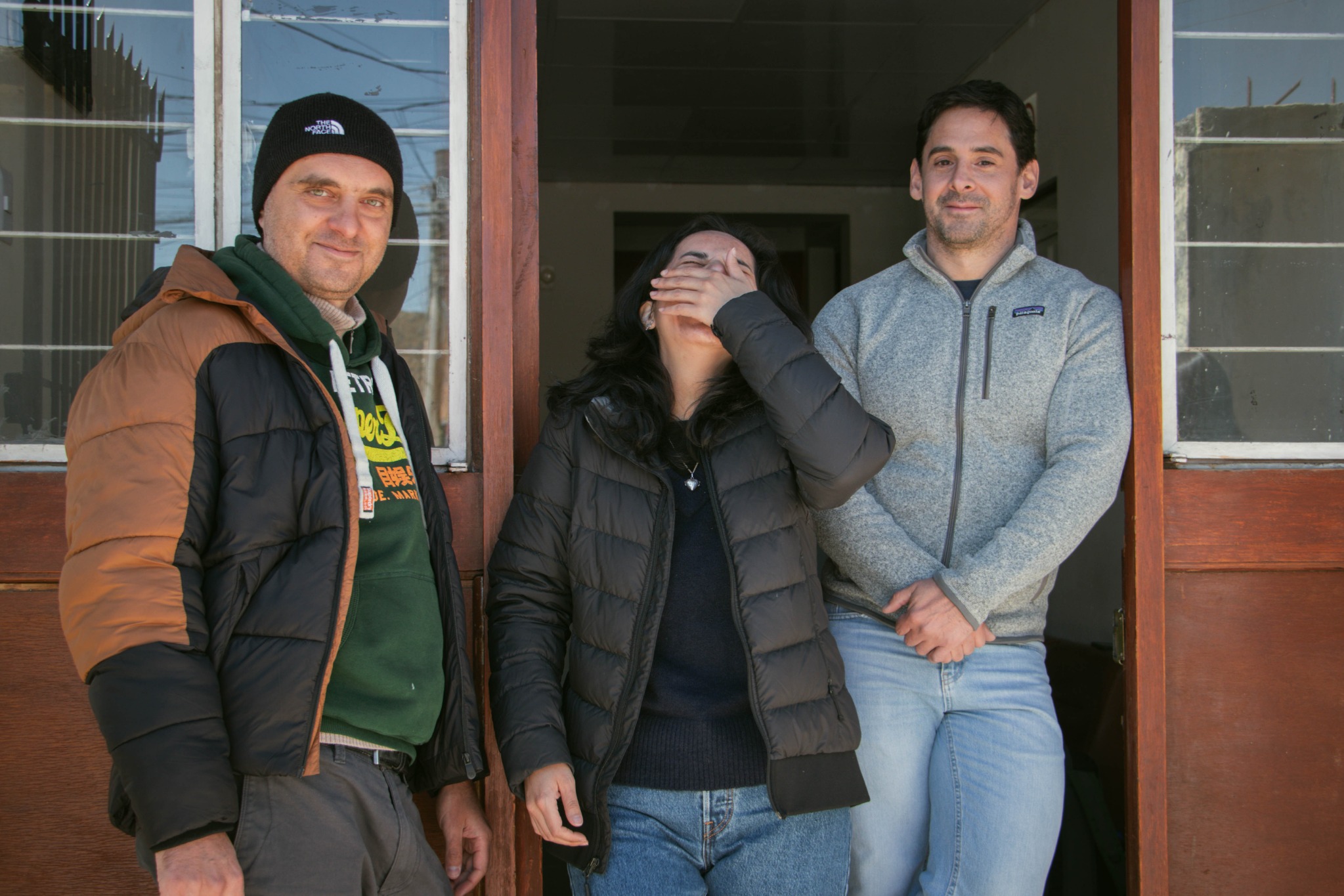
Our relationship with the Cerro de Pasco community extends over more than four decades. Participants help shape the questions, the way we work, and how findings are shared.
Building capacity that stays
The project is designed to leave methods, equipment, training and leadership capacity in Peru. Doctoral development and hands-on training connect early-career researchers with expertise across the partnership.
As the work grows, the aim is for more research to be done locally — strengthening Peru's ability to lead future studies on global-health priorities.
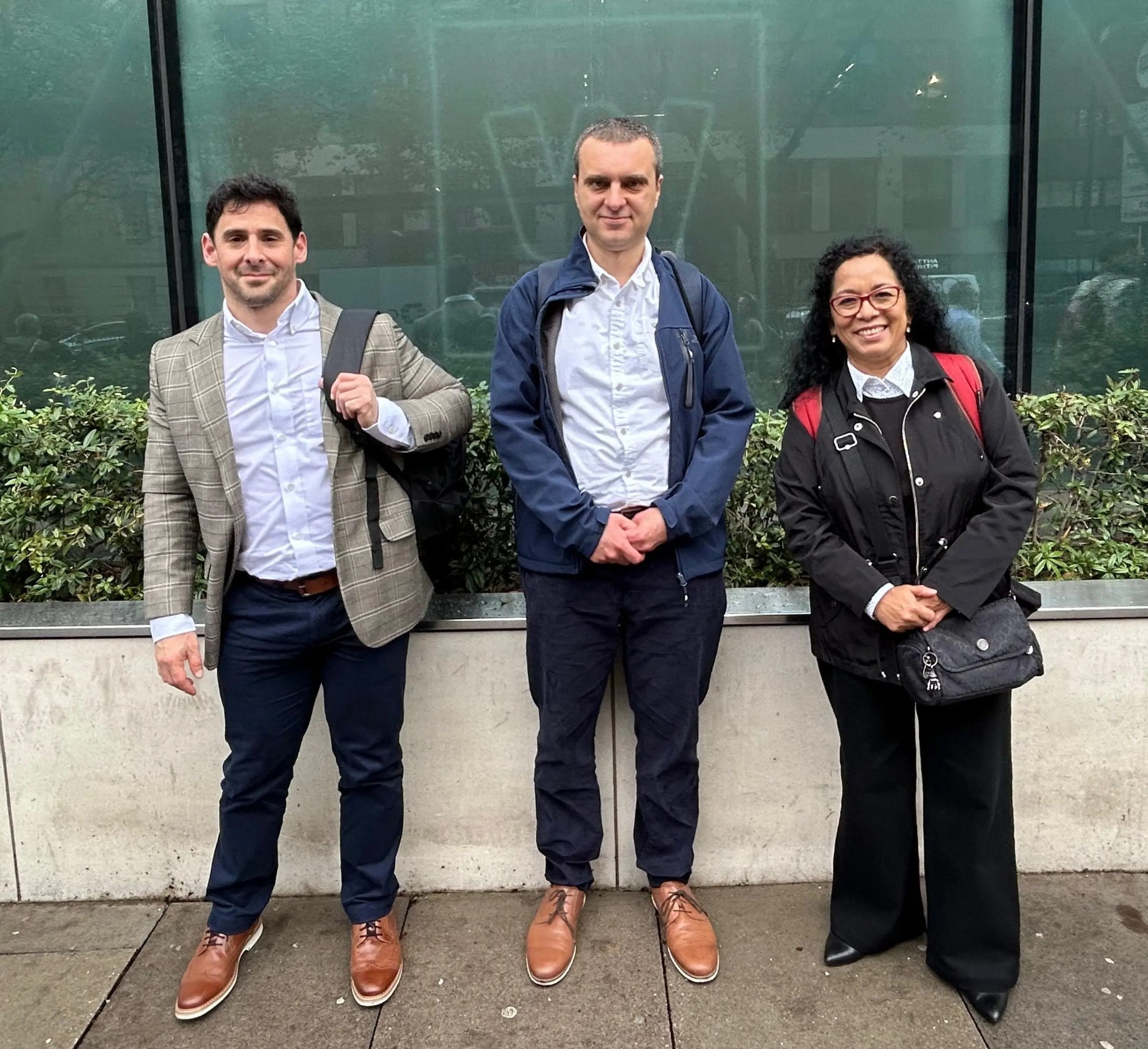
In the photograph: Francisco C. Villafuerte (UPCH), Pawel Swietach (University of Oxford) and Dionicia Gamboa (UPCH).
Our team
Universidad Peruana Cayetano Heredia · Peru
High-altitude physiology & project leadershipUniversity of Oxford · UK
Oxygen transport & red blood cell physiologyUniversidad Peruana Cayetano Heredia · Peru
Translational research & public-health engagementWhy physiology matters
By understanding how oxygen moves through blood in one of the world's most extreme human environments, we hope to improve care for high-altitude populations and generate insights with relevance far beyond the Andes.